
Dans cet article
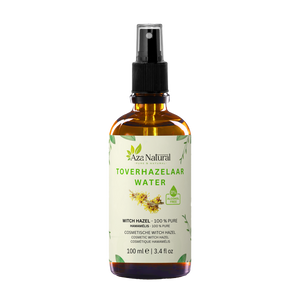
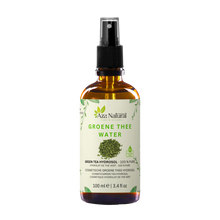
Witch hazel water is the hydrosol that remains when the bark and leaf of the witch hazel shrub, Hamamelis virginiana, are distilled with steam: water that has taken up a small amount of the scent and the water-soluble parts of the plant. Our witch hazel water comes in a 100 ml and a 250 ml bottle; the ingredient line names witch hazel water and a small amount of phenoxyethanol as preservative, and nothing else. It is not an oil, and it has nothing to do with the hazelnut.
Many people search for 'witch hazel water' or search for 'hazel water', and the address of this page still carries a machine translation of that last phrase from a Norwegian text. We make no claim about what this water does in or under the skin, on the scalp or to the hair: the label says nothing about that, and neither do we. What you can check yourself is what the ingredient line says, how the water smells and feels, and how to use it. That is what this guide is about.
Witch hazel water at a glance
- What it is: the hydrosol of bark and leaf of Hamamelis virginiana, a shrub of eastern North America.
- Ingredient line: witch hazel water and phenoxyethanol as preservative; no alcohol, no fragrance.
- Smell: fresh, woody and slightly bitter; not floral like rose or orange blossom water.
- Feel: slightly astringent on the skin, which is the property this plant is known for.
- Use: facial toner, after shaving, water phase in a home-made toner, gel or mask; external use only.
- Not to be confused with: hazelnut oil, Corylus avellana, a plant oil from a different plant, sold separately.
- Bottle and storage: 100 ml or 250 ml; cool, dark and with the cap tightly closed.
Witch hazel is not the hazelnut
The names invite confusion, and the old version of this page fell for it. Witch hazel, Hamamelis virginiana, is a shrub of eastern North America with yellow, thread-like flowers that open in autumn; it is called hazel only because its leaves resemble those of the hazel. The hazel of the hazelnut, Corylus avellana, is a different plant from a different family, and from its nut a plant oil is pressed, hazelnut oil, which we also sell. That oil is fat; witch hazel water is water. Anyone who wants an oil for the face is on the wrong page here; anyone who wants a toner is on the right one.
What a hydrosol is
When plant material is distilled with steam, two things come out of the still: a small amount of essential oil that floats on top, and a large amount of condensed water that has passed through the plant. That water is the hydrosol, also called floral water or plant water. It carries a little of the scent and the water-soluble compounds of the plant, and no fat. Witch hazel bark and leaf give little essential oil, so with this plant the hydrosol is the product. A hydrosol is mild by nature, and it is used undiluted, sprayed or dabbed on. More of them are in the hydrosols collection.
How it smells and feels
Unlike the flower hydrosols, witch hazel water does not smell floral: it is fresh, woody and slightly bitter, a smell that fades within a minute on the skin. On the skin it feels slightly astringent, a light tightening that you notice most after shaving or on a warm face. That feel is the reason witch hazel is the classic base of aftershaves and toners, and it is also the reason people with a dry or easily irritated skin use it diluted or alternate it with a milder hydrosol such as rose water.
What the ingredient line says about the preservative
A hydrosol is water, and water without a preservative spoils within days once opened. This one is stabilised with phenoxyethanol, and the ingredient line says so; the amount is printed there too. It is the only hydrosol in our shop with this preservative; the others use potassium sorbate with citric acid. Many witch hazel products in the trade contain alcohol, sometimes a lot of it, which is what makes them sting; the ingredient line of this bottle names no alcohol. If you react to phenoxyethanol, choose another hydrosol.
As a facial toner
After cleansing, spray witch hazel water two or three times over the face with the eyes closed, or moisten a cotton pad and wipe the face with it. Let it dry for a minute, and only then apply your oil or cream; on lightly damp skin a face oil spreads more easily and you need fewer drops. Morning and evening is usual. If the skin feels tight afterwards, use it every other day, dilute it half and half with rose water, or keep it for the T-zone only.
After shaving
Spray it over the freshly shaved skin or dab it on with a cotton pad. The light astringent feel is exactly what an aftershave is about, and because the ingredient line names no alcohol, it does not burn on nicks the way an alcohol aftershave does. Let it dry and follow with a few drops of a light oil, such as jojoba oil, if the skin feels dry. It works the same way on the legs after shaving.
As the water phase of your own cosmetics
In a home-made toner, gel or clay mask, use witch hazel water instead of distilled water. It combines well with rose water and chamomile water, which soften its sharp side; half witch hazel, half rose water is a common toner. Mix a clay powder such as white or green clay with it to a paste for a mask, and use that paste the same day. Anything you make with water and keep for more than a day needs a preservative of its own; the preservative in the hydrosol does not cover what you add.
On the scalp and in the hair
Some people spray witch hazel water on the scalp between washes, along the parting, and let it dry; it is water, so it does not weigh the hair down and does not need rinsing. Others use it as a rinse after washing, a few sprays over the scalp before the final rinse with water. Keep it away from the eyes. We say nothing about what it does there beyond feeling fresh; the label says nothing either.
How much you use and which bottle to choose
A spray is about 0.1 ml. As a toner twice a day, two or three sprays a time, 100 ml lasts about two months and 250 ml about five. As an aftershave only, a few sprays a day, 100 ml lasts three months or more. As the water phase of your own products, a mask or a toner takes 20 to 50 ml at a time, and then 250 ml is the size that fits. Both bottles hold the same water.
How to store it
Cool, dark and with the cap tightly closed; the fridge is fine, and a cold toner feels fresher on the face. Do not put the spray head in the sun. A hydrosol that has turned cloudy, smells sour or musty, or shows threads or flakes has spoiled, preservative or not; do not use it any more. Use an opened bottle within six months.
What to watch out for
External use only; do not swallow it. Test a spray in the crook of the elbow first and wait a day. It feels astringent, and on a dry or sensitive skin that can be too much: dilute it or alternate with a milder hydrosol. Avoid the eyes and rinse with lukewarm water if it gets in. The ingredient line names no fragrance; whether this batch contains anything a particular person reacts to, we cannot rule out without an analysis certificate. Keep out of reach of children.
Frequently asked questions
Is witch hazel water the same as hazelnut oil?
No. Witch hazel is Hamamelis virginiana and this is its water; the hazelnut is Corylus avellana and its oil is a fat. Two plants, two products.
Does it contain alcohol?
The ingredient line names witch hazel water and phenoxyethanol, no alcohol. Many other witch hazel products do contain alcohol; check the line.
Can I use it every day?
Yes, as a toner or aftershave. If the skin feels tight, use it less often or dilute it.
Which bottle should I choose?
100 ml for a toner or aftershave, 250 ml if you also make your own toners or masks with it.