
In diesem Artikel
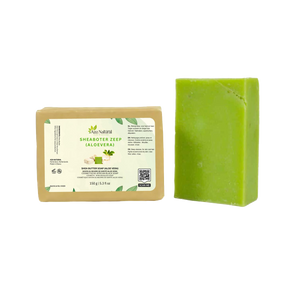
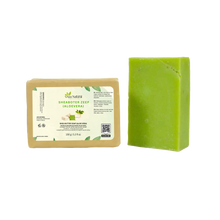
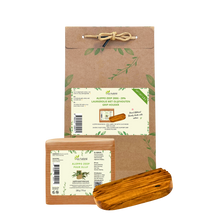
Tamale shea butter soap is a handmade bar of soap of 150 grams made on a base of shea butter, the fat from the nuts of the shea tree, Vitellaria paradoxa, which grows in the savannah of West Africa. Our Tamale shea butter soap with aloe vera has aloe vera and green clay worked through it and no fragrance; the smell comes from the raw materials themselves. The bar is greenish from the clay, slightly irregular in shape, as handmade soap is, and gives a creamy lather. It is a soap for the whole body, and so also a hair soap.
Many people search for 'tamale shea butter soap' or search for 'shea butter soap benefits'. We make no claim about what this soap does in or under the skin, on the scalp or to the hair: the label says nothing about that, and neither do we. What you can check yourself is what is in the bar, which bars the range has, how the bar looks and lathers, and how to use it and keep it. That is what this guide is about.
Tamale shea butter soap at a glance
- What it is: a handmade bar of 150 grams on a base of shea butter, made in Tamale in northern Ghana.
- This bar: shea butter with aloe vera and green clay; fragrance-free.
- Colour: greenish from the clay, no colouring; the shade differs a little per batch.
- Lather: creamy; less foamy than a supermarket bar.
- Use: face, body and scalp; hand soap; after shaving; external use only.
- Nut: shea comes from a nut; anyone who reacts to nuts tests first.
- Keeping: dry, on a dish that drains; a handmade bar without hardeners takes up water and goes soft in a puddle.
What a shea butter soap is, and where Tamale is
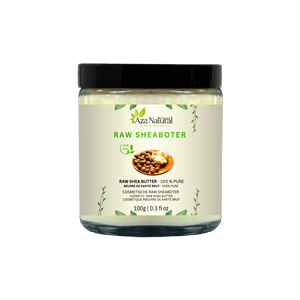
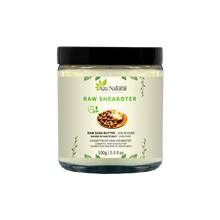
Soap is what you get when a fat is boiled with an alkali: the fat splits into soap and glycerin. Which fat is used decides how the bar behaves, and a soap made on shea butter gives a firm bar with a creamy rather than a foamy lather. Tamale is the largest city of northern Ghana, in the middle of the shea belt, where the nuts are gathered and the butter is made; the soap is made there by hand, which is why every bar is a little different in shape and colour. Shea butter on its own, from the same region, is in the shop as raw shea butter.
Which bars there are
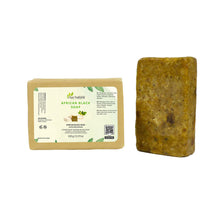
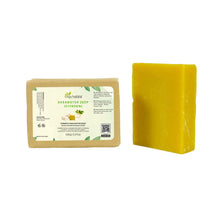
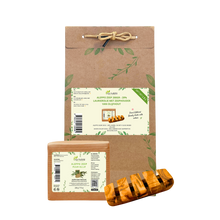
The range has one base and several additions. The plain bar has no addition and is beige. This bar has aloe vera and green clay and is greenish. The turmeric bar has turmeric and is yellow. The lemon bar has lemon peel oil and, according to its label, a fragrance, and smells of citrus; it has its own guide. There are further versions with neem, moringa, baobab and henna. In use the bars behave the same; the addition sets the colour and, for the lemon bar, the smell. Anyone who wants a bar without any fragrance takes the plain bar or this one.
How the bar looks, smells and lathers
Greenish, from the green clay and not from a colouring, and a little irregular in shape and size. The smell is soft and soapy, without perfume. Wet, the bar gives a creamy lather that spreads easily between the hands or on a washcloth; it is less foamy than an ordinary bar, which is normal for a soap on a shea butter base. Like every real soap it is alkaline, and on some skins that leaves a slightly tight feel after rinsing; an oil or a cream afterwards takes care of that.
On the body
Rub the bar on a washcloth or between wet hands until you have lather and spread that over the skin. Rinse with lukewarm water. After washing, apply an oil or a cream: like every real soap this one is alkaline, and that can feel tight. Shea butter itself is the obvious match, or a light oil from the carrier oils collection. At the basin it is a hand soap like any other bar.
As a hair soap
Run the bar a few times over the wet scalp, or make lather in the hands first, massage it in and rinse well. A bar soap is alkaline and hair reacts to that: anyone with long hair usually rinses afterwards with a sour rinse, water with a splash of vinegar, so the hair lies smooth again. The first few washes can feel different from shampoo; give it a few weeks if you are switching. The fragrance-free bar is the one most people pick for the scalp.
After shaving
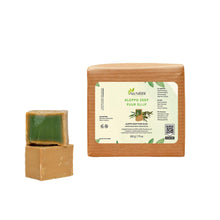
The bar can be used on freshly shaved skin as well; rinse well afterwards and apply an oil or a cream on top. If the skin is irritated from shaving, test the lather on a small patch first. For shaving itself, a harder bar that whips to a dense lather with a brush, such as the Aleppo soap, is the more usual choice.
How to keep the bar from going soft
Let the bar lie dry and not in a puddle of water in the shower. A handmade soap without hardeners takes up water easily and then goes soft; a soap holder that lets the water run off makes a considerable difference, and so does taking the bar out of the shower between uses. Kept dry, a bar of 150 grams lasts several weeks at daily showering. Other bars are in the pure soaps collection.
What to watch out for
External use only. Avoid the eyes and rinse with plenty of water if lather gets in. Shea butter comes from a nut: anyone who reacts to nuts tests the lather on a small patch of skin first and waits a day. The bar is handmade and the shop's ingredient line names shea butter, aloe vera and green clay; an analysis certificate of this batch we do not have, so we promise nothing about traces. Keep out of reach of children.
Frequently asked questions
Why is this bar green?
From the green clay worked through it. There is no colouring; the shade differs a little per batch.
Does it contain a fragrance?
No. The smell comes from the raw materials. The lemon bar in the same range does name a fragrance on its label.
Can I wash my hair with it?
Yes. Lather, massage into the scalp, rinse well, and finish with a sour rinse if your hair is long.
What is the difference with the plain and the turmeric bar?
The addition: the plain bar has none and is beige, the turmeric bar has turmeric and is yellow, this one has aloe vera and green clay and is greenish. The base is the same.