
In this article
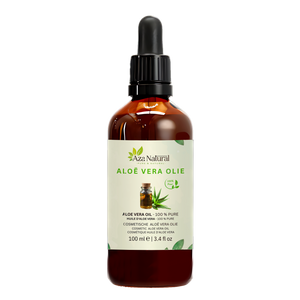
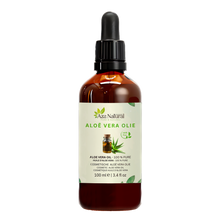
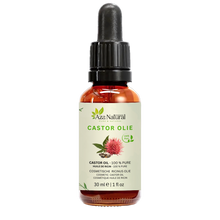
Aloe vera oil is an oil based on the leaf of the aloe vera, Aloe barbadensis, a succulent with thick, spiny-edged leaves full of clear pulp, native to the Arabian Peninsula and North Africa and now grown in warm regions everywhere, including India. On the label of our aloe vera oil the ingredient reads Aloe Barbadensis Leaf Extract, made in India, as a cosmetic oil for skin and hair; there is no second ingredient, and no carrier oil is named. It is a light, nearly scentless oil, sold in a 30 ml and a 100 ml bottle with a pipette.
Many people search for 'aloe vera oil benefits' or search for 'aloe vera oil for skin and hair'. We make no claim about what this oil does in or under the skin, on the scalp or to the hair: the label says nothing about that, and neither do we. What you can check yourself is what the label says, how an aloe vera oil is made and how it differs from the gel, that the oil is light and absorbs fast, and how to use it. That is what this guide is about.
Aloe vera oil at a glance
- Label: Aloe Barbadensis Leaf Extract, the only ingredient; no carrier oil named; made in India.
- Plant: aloe vera, Aloe barbadensis, a succulent; the oil is based on the leaf, not on a seed or kernel.
- Oil, not gel: aloe vera gel is the watery leaf pulp, which dries to a film; this oil absorbs and behaves like an oil.
- Macerate: an aloe vera oil is made by steeping the leaf in a carrier oil and filtering; which oil was used for this bottle, the label does not say.
- Smell and texture: mild and nearly neutral; light, absorbs fast, no sticky layer.
- Use: skin and face, hands and cuticles, hair ends and mask, home-made cream or lotion; external use only.
- Bottle and storage: 30 ml or 100 ml, dark glass with pipette; cool, dark and closed, finish within a year.
Why aloe vera oil is a macerate
The thick leaf of the aloe vera is full of clear, watery pulp; that pulp is where the well-known aloe vera gel comes from. The leaf itself contains almost no fat and yields no oil under a press. An aloe vera oil is therefore made the other way round: the leaf, or the dried pulp, is steeped in a carrier oil and the oil is then filtered, which is called a macerate. So what is in the bottle is a carrier oil that has had aloe leaf steeped in it.
The label names only Aloe Barbadensis Leaf Extract and does not say which carrier oil was used, and we do not fill that in; our old German page named coconut, olive and almond oil, and almond is a nut on the European allergen list, which matters for the patch test below.
Oil or gel: what is the difference?
Aloe vera gel is water-based: it spreads cool and wet, dries within minutes and leaves a thin, slightly tight film that you feel until you wash. Aloe vera oil is oil-based: it spreads like a light oil, absorbs and leaves no film. You use the gel where you want something watery and quick to dry; you use the oil where you would use any other light oil, on skin after showering, on the hands, in a cream. The two are not interchangeable in a home-made blend: the gel goes in the water phase, the oil in the oil phase.
How the oil looks, smells and feels
Light yellow and clear, with a mild, nearly neutral smell that is gone once the oil has absorbed. It is light, absorbs fast and leaves no sticky layer; on the hands you can carry on with what you were doing within a minute. It sits at the light end of the shop's oils, next to jojoba oil.
On the skin and the face
Two to three drops for the face, or a teaspoon per arm or leg, on skin that is still damp after showering; the oil absorbs fast and leaves no layer. Three drops is about 0.15 ml, so a 30 ml bottle lasts two hundred applications on the face, more than six months. A teaspoon is 5 ml, so twenty arms or legs from 100 ml.
On the hands and cuticles
One drop per hand after washing the hands, rubbed over the backs of the hands and into the cuticles. This is the use most 30 ml bottles are bought for: about 0.1 ml a time, so three hundred applications from one bottle, and no greasy fingers afterwards.
On the hair
One drop rubbed between the palms and smoothed over dry ends, or a tablespoon as a pre-wash treatment through the lengths, half an hour under a towel and then a shampoo; a light oil like this rinses out in one wash. A tablespoon is 15 ml, so six to seven masks from 100 ml.
In a home-made cream or lotion
As the oil phase of a cream you make yourself, one to one in place of the oil the instructions call for; the light texture and the neutral smell do not stand out in a cream. Remember that a cream contains water and therefore needs a preservative, or must be made fresh for a few days and kept in the fridge. Other oils for the oil phase are in the carrier oils collection, and the ingredients for making your own are in the DIY collection.
How much you use and which bottle to choose
For the face, the hands and the hair ends, 30 ml lasts for months and is empty before the oil is old. For the body, hair masks or creams, 100 ml. Both bottles hold the same oil, in dark glass with a pipette. More oil than the skin takes up stays on top of it.
How to store it
Cool, dark and tightly closed, not in the bathroom, and finish an opened bottle within a year; the label gives no shelf life and we give none either. If the oil smells sharp or rancid instead of nearly nothing, do not use it any more.
What to watch out for
External use only: this is a cosmetic oil, so do not swallow it and do not use it in the kitchen, even though aloe vera juice is sold as a drink elsewhere; this bottle is not made, filled or checked for that. Apply one drop to the inside of the wrist first and wait a day. The label names no carrier oil, and our old pages named coconut, olive and almond; almond is a nut on the European list of fourteen allergens, so anyone who reacts to almond or other nuts leaves this oil alone or asks a doctor first. There is no analysis certificate for this batch, so we promise nothing about traces. Avoid contact with the eyes and rinse with lukewarm water. Keep out of reach of children.
Frequently asked questions
Is aloe vera oil the same as aloe vera gel?
No. The gel is the watery leaf pulp and dries to a film; the oil is a carrier oil with aloe leaf steeped in it, and it absorbs like an oil.
Which carrier oil is in it?
The label does not say; it names only Aloe Barbadensis Leaf Extract. Because almond is one possibility, anyone who reacts to nuts does the wrist test first or asks a doctor.
Does it feel sticky?
No. It is light, absorbs fast and leaves no layer.
How long does a bottle last?
One drop per hand: three hundred applications from 30 ml. Three drops on the face: more than six months.