
In dit artikel
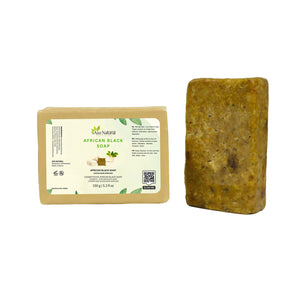
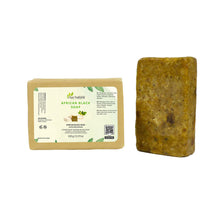
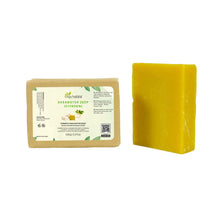
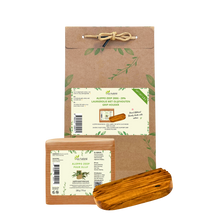
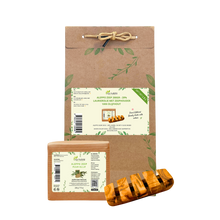
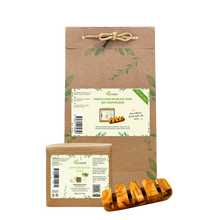
Tamale African black soap is a soft, brown block soap from Tamale, the largest city of northern Ghana, made with shea butter, palm oil and coconut oil. African black soap, in West Africa also called alata samina or ose dudu, is the traditional soap of the region, and it is used there as readily for the hair as for the body. Ours is unscented. On the label the ingredients read Butyrospermum parkii butter, potassium hydroxide, Elaeis guineensis oil, Cocos nucifera oil and aqua: shea butter, the lye that turns fat into soap, palm oil, coconut oil and water.
Many people arrive here after searching for 'african black soap benefits' or 'black soap for skin'. This page keeps to what can be checked: what is on the label, where the soap comes from, how it looks, smells and behaves, and how to use and store it. About what the soap does to or under the skin we make no claim. It is a soap: it cleans, it rinses off, and that is what we describe.
Tamale African black soap in brief
- Ingredients: Butyrospermum parkii butter, potassium hydroxide, Elaeis guineensis oil, Cocos nucifera oil, aqua, exactly as printed on the label.
- Origin: made in Tamale, in northern Ghana, West Africa.
- Form and colour: a solid brown block that looks harder than it is; it is soft and can be cut with a knife.
- Scent: soapy and earthy; no fragrance is added.
- Behaviour: dissolves in water, foams strongly and cleans thoroughly.
- Use: body, face and hair; external use only.
- Size and shelf life: a block of 150 grams; the label gives a shelf life of 27 months.
- Storage: cut into pieces, the rest kept dry and wrapped.
Where does Tamale African black soap come from?
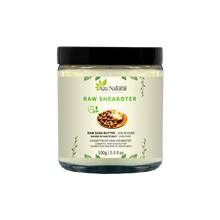
From Tamale, in the north of Ghana. Black soap is made across West Africa, from Ghana to Nigeria, in small workshops and at home, and every region has its own version. The soap from northern Ghana is made with shea butter, because the shea tree grows there; the same butter we sell on its own as raw shea butter. It is a soft soap rather than a hard bar, brown rather than black despite the name, and it is sold in blocks that are cut to size.
What is it made of?
The label lists five ingredients. Shea butter, palm oil and coconut oil are the fats; potassium hydroxide is the lye that turns those fats into soap in a reaction called saponification, and water is the rest. Potassium hydroxide gives a softer soap than the sodium hydroxide used for hard bars, and that is why this block yields to a knife. Traditional accounts of African black soap describe an alkali made from the ash of plantain skins and cocoa pods. That may be how it is done in many places, but the label of this soap names potassium hydroxide, and we go by the label. There is no fragrance, no colourant and no preservative on the list.
What does it look, smell and feel like?
A brown block, sometimes with darker and lighter streaks, that looks harder than it is. It has a soapy, earthy smell and nothing else, because nothing is added for scent. It dissolves in water and foams strongly, more than most bar soaps, so a small piece goes a long way. After rinsing, the skin feels clean rather than coated; this is a soap that cleans thoroughly, which is the reason for the advice below about oil or butter afterwards.
How do you use it on the body and face?
Take a small piece; this soap foams strongly, so you need less than you think. Work it into a lather between wet hands or on a washcloth, wash, and rinse thoroughly. Avoid the eyes. Because the soap cleans thoroughly, apply an oil or a cream afterwards, especially on skin that is dry: a few drops of a plant oil on skin that is still damp, or a small amount of shea butter on the driest places. If your skin is dry, do not use the soap every day; every other day or a few times a week is enough, with a milder cleanser in between. On the face, use it in the evening, keep it away from the eyes and follow with an oil or cream.
How do you use it as a shampoo?
Lather a small piece in your hands and massage the foam into the scalp; do not rub the block itself through the hair. Rinse well. Soap is more alkaline than a shampoo, so hair can feel rough or squeaky afterwards. Finish with an acidic rinse of one tablespoon of apple cider vinegar in a litre of water, poured over the hair after the last rinse and left in; the smell of vinegar disappears as the hair dries. People with dry or curly hair usually follow with an oil on the lengths, such as batana oil or a drop of a lighter oil. In West Africa the soap is used for the hair as much as for the body, and that is how it is meant.
How much and how often?
A piece the size of a walnut is enough for a whole body wash; for the face or the hair, half of that. A 150 gram block cut into pieces of about 25 grams gives six pieces, and each piece lasts a week or two of daily use. Used a few times a week, one block lasts several months. The shelf life on the label is 27 months, counted from production, so there is no hurry.
How should black soap be stored?
Cut the block into pieces and keep the rest dry and wrapped, away from the shower. Black soap takes up moisture from the air and turns soft and sticky if the whole block lies in the shower; that is the nature of a soft soap and not a defect. Keep the piece in use on a draining soap dish, so it dries between washes, and it keeps its shape far longer. A soap dish with an open bottom or a wooden soap holder does the job.
How can you tell real African black soap from an imitation?
Read the ingredient list. Real black soap has a short list of fats, a lye and water, and it is brown and soft; it is not a hard, jet-black bar. Bars that are pitch black and rock hard are usually an ordinary soap with added colourant. Fragrance in the list means fragrance was added; ours has none. A shelf life and a country of origin on the label are the other two things to look for.
What to keep in mind
Black soap is for external use only. Avoid contact with the eyes; if it happens, rinse with plenty of water. This soap cleans thoroughly, so anyone with dry skin uses it less often and applies an oil or butter after rinsing. Before the first use, wash a small area of skin, such as the inside of the forearm, and wait a day. Keep out of reach of children.
Where does Aza Natural's black soap come from?
We sell Tamale African black soap as an unscented block of 150 grams, made in Tamale, Ghana, with the five ingredients on the label and nothing else. There is also a free sample of 15 grams to try before buying a block. The shea butter in the soap is the same butter we sell on its own; how that butter is used on the skin is described in shea butter for all skin types.