
In dit artikel
Shea butter is the fat pressed from the nuts of the shea tree, Vitellaria paradoxa, which grows across the Sahel. At room temperature it is firm and creamy; as soon as it touches skin it melts into an oily layer. That is the whole reason it turns up in so many body butters, lip balms and rich creams. This guide covers what raw shea butter is and how to use it, whatever your skin is like.
What does "raw" shea butter mean?
Unrefined. The butter has not been bleached and not deodorised, so it keeps its own colour and its own smell. Refined shea is whiter and almost odourless, but the refining takes something out along with the smell.
How do you recognise pure shea butter?
By the colour: off-white to pale yellow. Pure white or bright yellow is a sign of bleaching, colouring or additives. The shade varies a little from batch to batch, because the nuts come from different regions and are processed in different ways. That variation is normal and is not a fault.
How do you use it on dry skin?
Rub a small piece between your hands until it melts, then apply it to the dry areas: lips, hands, elbows, knees, heels. An almond-sized amount covers a surprisingly large area. On damp skin straight after a shower it spreads more easily and holds the moisture that is already there.
Can you use shea butter on oily skin?
On the body, yes. On an oily face, most people find it too rich used neat. If you want to try it anyway, melt a small amount into a lighter oil rather than applying the butter on its own, and use it only where the skin is actually dry.
What about sensitive skin?
Unrefined shea butter has one ingredient and no added fragrance, which is why people with easily irritated skin often reach for it. Note that it is a nut butter: if you have a nut allergy, do not use it. Patch test on the inside of the forearm and wait a day before using it more widely.
How do you use it in your own body butter?
Melt the shea in a bain-marie and stir in an oil, coconut, almond or jojoba all work, at roughly two parts butter to one part oil. Let it set, then whip it once it has cooled but not fully hardened. Adding more oil gives a softer butter; adding less gives a firmer one.
Why does shea butter sometimes feel grainy?
Because the different fats in it set at different speeds. If the butter melts and then cools slowly, small crystals form and it feels sandy. It is harmless. Melt it fully and cool it fast, in the fridge, and the graininess disappears.
How should shea butter be stored?
Cool, dark and closed. It keeps well because it is largely saturated fat, but it will soften in a warm bathroom and turn liquid above about thirty degrees. That does no harm; it simply sets again.
Can you use shea butter in hair?
Yes, mainly on the ends and on coarse or curly hair. A very small amount, warmed between the palms and smoothed over dry ends. It is heavy, so on fine hair a lighter oil is a better choice.
Where does Aza Natural's shea butter come from?
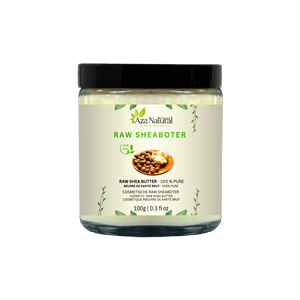
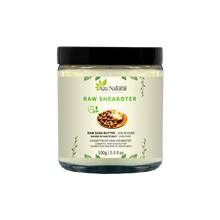
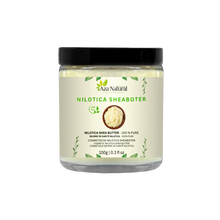
We sell raw shea butter, unrefined and with nothing added. Other pure butters are in the pure butters section.
A longer guide to the same butter, with amounts, a whipped body butter and what to do when it turns grainy, is Raw Shea Butter: What It Is, How to Recognise It and How to Use It.