
In diesem Artikel
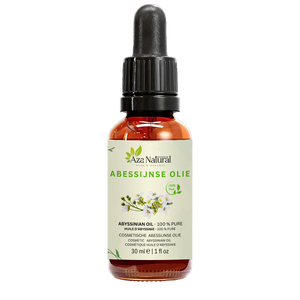
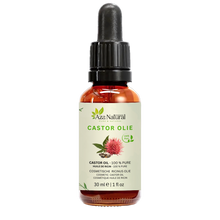
Abyssinian oil is the cold-pressed plant oil from the seed of Crambe abyssinica, a plant in the cabbage family and a relative of rapeseed and mustard. The plant comes from the highlands of Ethiopia, which used to be called Abyssinia, and that is where the oil got its name; in the trade it is also called crambe oil. Today crambe is grown as an arable crop in North America and Europe. The oil in our bottle is cold-pressed and made in Canada, as the label states, and the label names one ingredient: Crambe Abyssinica Seed Oil.
Many people arrive here after searching for 'abyssinian oil benefits' or 'abyssinian oil for hair'. This page keeps to what can be checked: what is on the label, where the oil comes from, how it looks, smells and feels, and how to use it. About what the oil does in or under the skin we make no claim, and because the label states no percentage of anything and there is no analysis of this batch, there are no figures here either.
Abyssinian oil in brief
- Ingredient: Crambe Abyssinica Seed Oil, exactly as printed on the label, and the only ingredient.
- Plant: Crambe abyssinica, a plant in the cabbage family with clusters of small white flowers; the oil comes from the seed.
- Method and origin: cold-pressed and made in Canada, as the label states.
- Colour and scent: clear and pale yellow; hardly any scent, mild and plant-like.
- Texture: thin, light and remarkably smooth; it sinks in quickly without a greasy or tacky film.
- Use: the face, also under a day cream or make-up; dry skin on the body and hands; cuticles; hair ends. External use only.
- Sizes: 30 ml and 100 ml in dark glass with a pipette, singly or in packs of three or six.
- Storage: cool, dark and closed; use an opened bottle within a year.
Where does abyssinian oil come from?
From the seed, pressed cold. Not from the leaves and not from a fruit pulp, which are common errors in articles about this oil. The plant flowers with clusters of small white flowers, as pictured on the label, and then forms small round pods with one seed in each. Crambe abyssinica takes its species name from Abyssinia, the historical name for Ethiopia, but the crop is now grown on farmland in North America and Europe. Our oil is made in Canada.
Why does abyssinian oil feel so smooth?
Because of erucic acid. Most plant oils are built from acids with eighteen carbon atoms; erucic acid has twenty-two, and that long chain is uncommon in plant oils. It gives abyssinian oil its characteristic feel: the oil glides over skin and hair instead of sitting on them as a layer of fat, a slip that is often compared with that of silicones, which is why the oil turns up in hair serums and leave-in products. The label states no percentage and neither do we; the smoothness you can check yourself with the first drop.
What does abyssinian oil look, smell and feel like?
Clear, pale yellow and thin. It spreads easily and sinks in fast without leaving a greasy or tacky film. There is hardly any scent: what you notice is the oil itself, mild and plant-like, and that is gone soon after applying. That makes it easy to combine with an essential oil if you want a scent, and easy to use if you do not.
What do people use abyssinian oil for?
- On the face. Two or three drops on cleansed, slightly damp skin, in the evening as the last step or in the morning under a day cream or make-up; because of its light, smooth texture this is the most common use.
- As a hair oil. One or two drops rubbed between the palms and smoothed over dry or towel-dried ends and lengths; the oil does not weigh hair down and does not need to be washed out.
- On dry skin on the body and hands. A few drops after a shower on skin that is still damp, or one drop per hand rubbed into the back of the hand and the cuticles.
- As a base for your own blends. A light, smooth base for a facial or hair oil of your own, alone or with jojoba oil; it makes a thicker oil thinner and smoother.
How do you use abyssinian oil on hair?
Rub one or two drops between your palms and draw your hands through the dry or towel-dried ends and lengths, not over the roots; for long or thick hair, three drops. The oil is thin and smooth, does not weigh fine hair down and does not need to be washed out, which is why it is used more often as a finish than as a mask. If you do want a mask, spread a teaspoon over the lengths, leave it for half an hour and wash it out with a mild shampoo. For dry, thick or curly hair that wants a fuller oil, look at batana oil; abyssinian oil is the lighter of the two.
How do you use it on the face and body?
Cleanse the face and pat it dry, leaving the skin slightly damp. Put two or three drops in your palm, rub your hands together briefly and press the oil onto cheeks, forehead, nose and chin; pressing spreads a thin oil better than rubbing. Use it in the evening as the last step, over a serum or cream, or in the morning under a day cream or sunscreen; it sinks in within a few minutes. Under make-up: apply, wait a few minutes, then foundation; the oil leaves no film for make-up to slide on.
On the body, apply a few drops after a shower to skin that is still damp, on the places that feel dry. For the hands, one drop per hand is enough: rub it into the back of the hand and press the rest into the cuticles, preferably in the evening; it does not stick, so you can type afterwards.
How much and how often?
Face: once or twice a day, two or three drops each time. Three drops is about 0.15 ml, so at once a day a 30 ml bottle lasts well over half a year and at twice a day a little over three months. Hands and cuticles: one drop per hand, daily. Hair ends: one or two drops after each wash or every other day. More than three drops on the face has no point: what the skin does not take up stays on top.
Can you mix abyssinian oil with other oils?
Yes, and it is a handy base for anyone who blends, because of its smooth texture, its pale colour and the absence of a scent of its own. A light facial oil: three parts abyssinian oil to one part jojoba oil, in a small dark glass bottle with a pipette, shaken briefly before each use and finished within six months. A hair oil for the ends: abyssinian oil one to one with argan oil, which keeps the mixture light enough not to need washing out. Do not add water, and keep a blend of your own cool and dark, like the single oils.
Is abyssinian oil the same as jojoba, argan or broccoli seed oil?
No, although they are bought for similar reasons. Broccoli seed oil comes from the same cabbage family and feels similar, but it smells distinctly of cabbage, while abyssinian oil is practically scentless. Jojoba oil is strictly speaking a liquid wax, golden yellow, with a light scent of its own; it keeps just as well but sinks in more slowly and feels a little fuller. Argan oil is a heavier nut oil. Of these, abyssinian oil is the thinnest and the smoothest and the only one without a noticeable scent; anyone looking for an oil under make-up or a light hair oil usually chooses abyssinian, anyone who wants more body for the skin chooses jojoba.
Which bottle: 30 ml or 100 ml?
If you use abyssinian oil only on the face or the hair ends, 30 ml lasts for months. If you also use it on the body or blend your own facial or hair oil with it, 100 ml is cheaper per millilitre; because the oil keeps well, a large bottle is no risk at moderate use, as long as you finish it within a year. Both bottles hold the same oil, in dark glass with a pipette, and can be ordered singly or in packs of three or six.
How should it be stored, and what to keep in mind
Cool, dark and closed, preferably not in the bathroom. The oil keeps better than most seed oils, but finish an opened bottle within a year. If it smells sharp or sour instead of mild, do not use it any more. Abyssinian oil is for external use only; it is a cosmetic oil, so it is not for the kitchen and not meant to be swallowed. Put one drop on the inside of your wrist first and wait a day. Avoid contact with the eyes and rinse with lukewarm water if it happens. Keep out of reach of children.
Where does Aza Natural's abyssinian oil come from?
We sell abyssinian oil cold-pressed and pure, made in Canada as the label states, without added fragrance or other ingredients, in 30 ml and 100 ml bottles of dark glass with a pipette. Other single-ingredient oils are in the pure oils section.