
In dit artikel
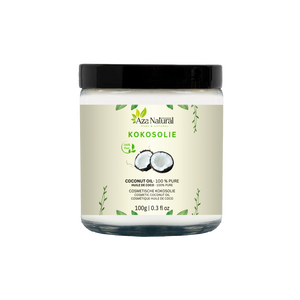
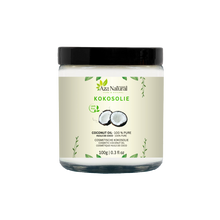
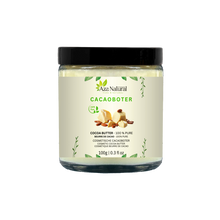
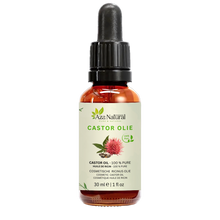
Coconut oil is the fat pressed from the dried flesh of the coconut, the copra, the fruit of the coconut palm, Cocos nucifera. At room temperature it is white and solid; at about twenty-four degrees it melts, and on the skin that happens by itself. Our coconut oil is pure, with no added fragrance or other addition, and comes in a jar of 100, 250 or 500 grams, as a cosmetic oil for skin and hair; the ingredient line names only the oil from the flesh of the coconut.
Many people search for 'choosing the right coconut oil' or search for 'coconut oil for skin and hair'. We make no claim about what this oil does in or under the skin, on the scalp or to the hair: the label says nothing about that, and neither do we. What you can check yourself is what a label says, why the oil is sometimes solid and sometimes liquid, and how to use it, in what amount. That is what this guide is about.
Coconut oil at a glance
- What it is: the fat pressed from the dried flesh of the coconut; one ingredient, no additions.
- Form: white and solid at room temperature; liquid and clear above about twenty-four degrees and on the skin.
- Coconut butter: the same product at a lower temperature; the shop calls it both.
- Keeping: a mostly saturated fat, so it goes off far more slowly than most plant oils; a dry jar at room temperature is enough.
- Use: pre-wash treatment for the hair; dry skin and dry patches; massage; make-up remover; base for body butters, scrubs and balms; external use only.
- Rich: on skin that shines easily, use it locally rather than all over the face.
- Jar: 100, 250 or 500 grams; use a clean, dry spoon.
How to read the label when choosing a jar
For skin and hair, three things on a label matter. First the ingredient line: one ingredient, the oil of Cocos nucifera, and nothing else; a jar with a fragrance, a preservative or a second oil is a different product, and on a pure oil there is nothing to add. Second what the jar is sold as: a cosmetic oil for skin and hair, like ours, or a food; a jar for the kitchen is labelled and checked differently, and we say nothing about the kitchen here.
Third the packaging: a jar with a wide neck, because you scoop coconut oil with a spoon rather than pour it, in glass or a firm pot, kept dry. Whether an oil is refined or unrefined you can tell by the smell: an unrefined oil smells of coconut, a refined one of almost nothing. The label of ours names the oil and its purpose and gives no content of anything, and so we name none.
Coconut oil or coconut butter: why the jar changes
The same jar is solid and white in a cool kitchen and clear and liquid in a warm bathroom or in summer, because the fat melts at about twenty-four degrees. That is why the product is sometimes called coconut oil and sometimes coconut butter: it is one product at two temperatures. Solid, you scoop it out with a spoon and it melts between the hands; liquid, you pour it. Neither state says anything about quality, and a jar that has melted and set again a few times is not spoiled. If you prefer it firm, keep it in a cool cupboard; if you prefer to pour it, stand the closed jar in warm water for a few minutes.
As a pre-wash treatment for the hair
Take a spoonful, rub it warm between the palms until it is liquid, and spread it over the lengths and the ends, and sparingly over the scalp. Leave it for thirty minutes to a whole night under a cap or a towel. Then wash it out with a mild shampoo: put the shampoo on the dry, oiled hair first and add water only after that; that works better than the other way round, because the shampoo then gets hold of the oil straight away. Two rounds of shampoo are normal with a fat like this. A tablespoon is enough for medium-length hair, two for long or thick hair. Other pre-wash masks are in the hair masks collection.
On dry skin and for massage
Take a little on the fingertips, rub it warm until it melts and spread it over the skin; on the body that works best straight after showering, on skin that is still damp. Half a teaspoon is enough for both lower legs. On dry patches such as elbows, knees and heels, a pea-sized amount in the evening. For massage, coconut oil melts in the hand and keeps gliding for a long time, which is why it is a common massage fat; a tablespoon does a back. On skin that shines easily, use it locally rather than all over the face: coconut oil is rich, and on some skins it sits heavily. Lighter oils for the face are in the face oils collection.
As a make-up remover
Melt a little oil between the fingers, massage it gently over the dry face so the make-up loosens, and take it off with a damp cloth or a cotton pad. Then wash the face with a mild cleanser as usual. Keep it away from the eye itself; on the closed lid and the lashes it works, but rinse with lukewarm water if oil gets into the eye.
As a base for body butters, scrubs and balms
Because coconut oil is solid at room temperature and melts on the skin, it is the usual base of home-made body butters, scrubs and balms. Whipped body butter: melt one part coconut oil with two parts shea butter in a bain-marie, let it cool until it begins to set, and whip it. Sugar scrub: three parts sugar to one part melted coconut oil, stirred in a jar, used in the shower on damp skin and rinsed. Lip balm: two parts coconut oil to one part beeswax, melted together and poured into a small pot. A blend of only fats needs no preservative; anything with water in it does. Supplies are in the DIY collection.
How much you use and which jar to choose
A pre-wash treatment takes a tablespoon, about 12 grams, so a 100 gram jar gives eight treatments and a 500 gram jar forty. Dry skin takes half a teaspoon a time, so 100 grams lasts a month or two of daily use. As a make-up remover, a pea-sized amount, which you hardly notice on the jar. A body butter takes 50 to 100 grams per batch. For the hair and for blends, 250 or 500 grams is the size; for dry patches and make-up removal, 100 grams. All three jars hold the same oil, and because coconut oil keeps so well, a large jar is no risk if it stays dry and closed.
How to store it
Dry, at room temperature and closed; the fridge is not needed. Always use a clean, dry spoon, because water in the jar is what makes a fat go off, not time. Coconut oil keeps far longer than most plant oils; if it smells sour or soapy instead of mild, or shows spots, do not use it any more.
What to watch out for
External use only: this jar is a cosmetic oil for skin and hair and is not labelled as a food, so do not swallow it and do not use it in the kitchen; coconut oil for the kitchen is a different jar. If you have a sensitive skin, test a little in the crook of the elbow first and wait a day. On skin that shines easily, keep it local. The coconut is not on the European list of fourteen allergens, and the label names no fragrance; an analysis certificate of this batch we do not have. Keep out of reach of children. Other butters and solid fats are in the butters collection.
Frequently asked questions
Is coconut oil the same as coconut butter?
Yes. It is one product that is solid below about twenty-four degrees and liquid above it.
My coconut oil has gone liquid. Is it spoiled?
No. It is warm. It sets again in a cool cupboard, and melting and setting do it no harm.
How do I wash it out of my hair?
Shampoo on the dry, oiled hair first, then water; two rounds if needed.
Can I use it on my face?
Locally, and as a make-up remover. On skin that shines easily, most people prefer a lighter oil for the whole face.